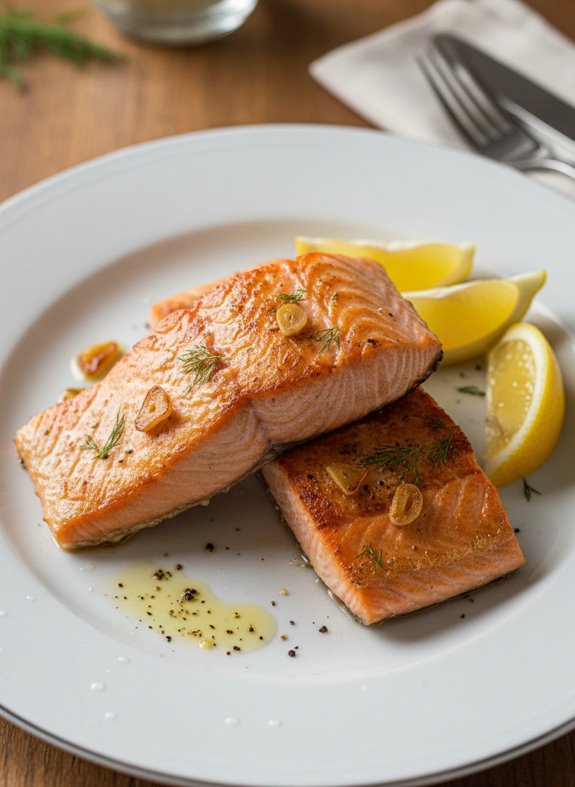
Mastering Crispy Pan-Seared Salmon: Your 15-Minute Path to Perfection
Imagine a weeknight dinner that feels effortlessly gourmet, a dish that boasts a golden, audibly crisp skin, and a succulent, flaky interior – all achieved in less time than it takes to decide what to watch on TV. This isn't a culinary dream; it's the reality of perfectly pan-seared salmon. For many, the idea of cooking fish on the stovetop can be intimidating, conjuring images of sticking, tearing, or a disappointing, soggy result. However, with a few simple techniques and a bit of patience, you'll discover why pan-searing is undeniably the best way to prepare this versatile and nutritious fish. This guide will demystify the process, turning you into a confident salmon chef in just 15 minutes.Why Pan-Searing Reigns Supreme for Salmon
When it comes to cooking salmon, pan-searing stands head and shoulders above other methods. It offers a level of control and delivers a texture that's hard to beat. Unlike baking or poaching, which can sometimes lead to a uniform, less exciting texture, pan-searing provides a delightful contrast: a deeply caramelized, crispy exterior that gives way to a tender, juicy center. The beauty of pan-searing lies in its simplicity and efficiency. You don't need to preheat a large oven, nor do you have to contend with complex marinades or elaborate preparations. This method cooks salmon incredibly quickly, making it ideal for busy weeknights when you crave something satisfying and healthy without the fuss. Furthermore, pan-searing allows you to achieve precise control over the doneness of your fish, ensuring it’s cooked exactly to your liking – whether you prefer it medium-rare and glistening or fully cooked through. If you're curious about why this method is so superior, dive deeper into Why Pan-Searing Is the Best Way to Cook Salmon: Fast & Flavorful. It’s no wonder this technique is a favorite among chefs and home cooks alike for achieving restaurant-quality seared salmon.Essential Ingredients for Flawless Seared Salmon
The magic of perfectly seared salmon lies not in a long list of exotic ingredients, but in the quality and proper preparation of just a few core components.- Salmon Fillets: Opt for 6- to 8-ounce salmon fillets. Whether you choose skin-on or skin-off is a matter of preference, though many find the crispy skin achieved through pan-searing to be a delectable bonus. The most crucial factor is selecting fillets of similar thickness to ensure even cooking. While fresh salmon is always ideal, high-quality frozen salmon, thoroughly thawed in the refrigerator overnight, works wonderfully. Varieties like Atlantic, Sockeye, or King salmon are excellent choices, each offering slightly different flavor profiles and fat content.
- High-Heat Oil: You’ll need just enough oil to lightly coat the bottom of your pan and prevent sticking. While extra-virgin olive oil is a common choice, its smoke point can be lower. For a truly crisp crust without burning, consider avocado oil or grapeseed oil, both of which have higher smoke points and are excellent for high-heat cooking.
- Salt and Pepper: Don't underestimate the power of these two fundamental seasonings. They are all you truly need to enhance the natural richness of the salmon.
Your Step-by-Step Guide to Pan-Seared Salmon Perfection
If you've ever felt intimidated by cooking fish on the stovetop, rest assured that achieving perfectly seared salmon is far easier than it looks. The secret truly lies in two critical steps: starting with thoroughly dry salmon and resisting the urge to disturb it while it sears.The Crucial First Step: Drying and Seasoning
This is arguably the most important step for achieving that coveted crisp, golden exterior.Pat the salmon dry: Using paper towels, meticulously pat every surface of your salmon fillets until they are as dry as possible. Moisture on the surface of the fish will steam rather than sear, leading to a pale, rubbery crust instead of a beautiful crisp one. This is key to preventing soggy results, a topic explored further in No More Soggy Salmon: Achieve Perfect Pan-Seared Crispiness.
Season generously: Once dry, season both sides of the salmon generously with salt and freshly ground black pepper. Don’t be shy with the salt; it not only flavors the fish but also helps draw out a little more surface moisture. For those who enjoy extra flavor, a sprinkle of garlic powder, a pinch of paprika, or even a dash of dried dill can be added, but the basics are truly enough for fresh, high-quality fish.
Achieving the Perfect Pan Temperature
The right pan temperature is essential for a beautiful sear and preventing sticking.Heat your pan: Place a heavy-bottomed pan (cast iron or stainless steel works best) over medium-high heat. Allow it to heat for 2-3 minutes.
Add the oil: Once the pan is hot, add just enough oil to lightly coat the bottom. Swirl it around. You'll know the pan is ready when the oil begins to shimmer and subtle ripples form across its surface. If you see smoke, your pan is too hot; remove it from the heat for a moment, let it cool slightly, then reduce the heat before trying again. A quick test: carefully touch a tiny corner of one salmon fillet to the oil; if it sizzles immediately, you’re good to go. If it just sits there silently, give the pan another minute.
The "Hands-Off" Sear for Ultimate Crispiness
This step requires patience, but it’s where the magic happens for crispy seared salmon.Place the salmon: Carefully place the salmon fillets, skin-side down if applicable, into the hot pan in a single layer. Do not overcrowd the pan; cook in batches if necessary, as overcrowding will lower the pan temperature and lead to steaming instead of searing.
Cook undisturbed: This is the hardest part for many, but the most vital. Leave the salmon alone. Do not nudge it, do not check underneath, and definitely do not try to flip it early. Let it cook undisturbed for about 5-7 minutes, depending on the thickness of your fillet. During this time, a beautiful crust will form. If the salmon initially sticks to the pan, that's completely normal. Once a proper crust has developed, it will naturally release from the pan, just like a well-seared steak. Trying to flip it too soon is almost always what causes tearing and a lost crust. You’ll notice the color of the salmon changing, cooking up the sides about one-third of the way.
Finishing Strong: Flipping and Doneness
Almost there! The final few minutes bring your seared salmon to perfection.Flip and finish: Once the first side is beautifully golden brown and crispy, carefully flip the salmon fillets. Cook on the second side for another 4-6 minutes, or until cooked to your desired doneness.
How to tell when salmon is done: There are a few indicators.
- Visual cue: The salmon will change from translucent to opaque, and you should be able to see flakes forming as you gently press on the thickest part.
- Internal temperature: For precise doneness, use an instant-read thermometer. The USDA recommends cooking fish to an internal temperature of 145°F (63°C). For a slightly rarer, more tender result, many chefs pull it off the heat around 125-130°F (52-54°C) as it will continue to cook a bit after removal.
Rest: Transfer the cooked salmon to a plate and let it rest for a minute or two before serving. This allows the juices to redistribute, ensuring a tender and moist fillet.
Elevating Your Seared Salmon: Beyond the Basics
While simply seasoned seared salmon is a delight on its own, there are countless ways to enhance your dish and cater to diverse palates.- Serving Suggestions: The beauty of perfectly seared salmon is its versatility. Pair it with a simple lemon wedge and a sprinkle of fresh dill for a classic touch. For a complete meal, serve alongside roasted asparagus, sautéed spinach, a quick quinoa salad, or creamy mashed potatoes.
- Flavor Variations:
- Honey Soy Glaze: Inspired by the second reference context, a honey soy glaze is a fantastic way to add sweet and savory notes. Whisk together honey, soy sauce, a touch of rice vinegar, and grated ginger. Brush this glaze over the salmon during the last minute or two of cooking, or drizzle it over the cooked fillets.
- Lemon-Herb Butter: While the salmon is resting, melt a tablespoon of butter in the same pan, add a squeeze of fresh lemon juice, and stir in chopped fresh herbs like parsley, chives, or dill. Drizzle this simple sauce over your seared salmon.
- Spicy Rub: Before searing, mix paprika, cayenne pepper, garlic powder, onion powder, and a pinch of brown sugar with your salt and pepper for a bolder, spicier kick.
- Troubleshooting Common Issues:
- Salmon sticking to the pan: Your pan wasn't hot enough, or you tried to flip too early. Ensure the oil is shimmering and wait for that crust to form before flipping.
- Uneven cooking: Ensure your salmon fillets are of similar thickness. If one side is thicker, slightly press it down with a spatula during cooking for more even contact.
- Overcooked/Dry Salmon: Keep a close eye on the clock and the visual cues. Salmon cooks quickly! Remember the "cooks about one-third up the side" trick for flipping and use an instant-read thermometer if you’re unsure.
